


The sea in the foreground, movies on stage, and a square joining in the festivities. In Tropea, the fourth edition of the Film Festival found its most distinctive feature in its connection with the audience. From September 20 to 26, 2026, the Calabrian city hosted seven days of screenings, discussions, exhibitions, tributes, and award ceremonies, bringing audiences closer to the stories and the people who bring them to the screen. The event, directed by Emanuele Bertucci, concluded with the victory of “Squali,” the debut feature by Daniele Barbiero, and the short film “Il comico” by Andrea Belcastro.
The finale brought together some of the most beloved faces of Italian cinema in Piazza Cannone, alongside international stars and young actresses. Antonella Salvucci hosted the ceremony, inviting Marco Giallini, Antonio Catania, Madalina Ghenea, Gaia Messerklinger, Luca Lucini, Andrea Roncato, Elisabetta Pellini, Mimmo Calopresti, Alexia Cozzi, Desirée Popper, Vincent Riotta, and Marcello Fonte onto the stage. Though their paths varied—from comedy to arthouse cinema—they all shared the same evening. The turnout for the events in the square and the packed theaters, highlighted in the event’s final report, gave the festival the feel of an event truly experienced by the city.
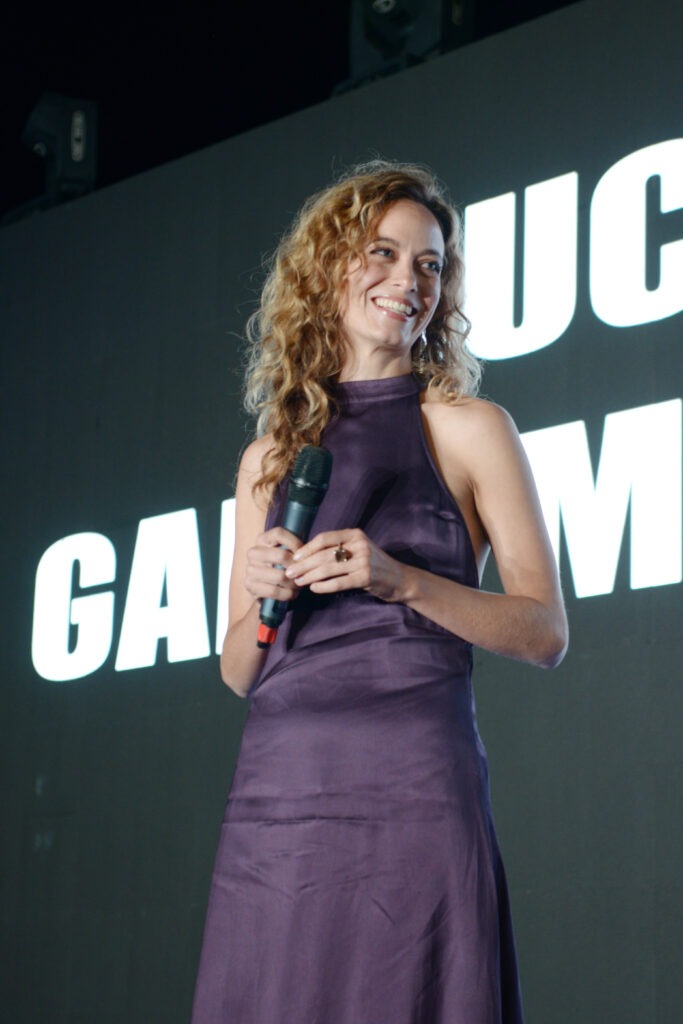
Glamour was embodied by Madalina Ghenea and Desirée Popper, the patroness of this year’s edition. The Brazilian actress, known to audiences from “Mare fuori,” helped showcase a program that combined television popularity, cinematic experience, and the search for new filmmakers. In addition to the on-stage appearances, the program offered opportunities to hear the protagonists discuss their work, their films, and the choices that have shaped their careers.


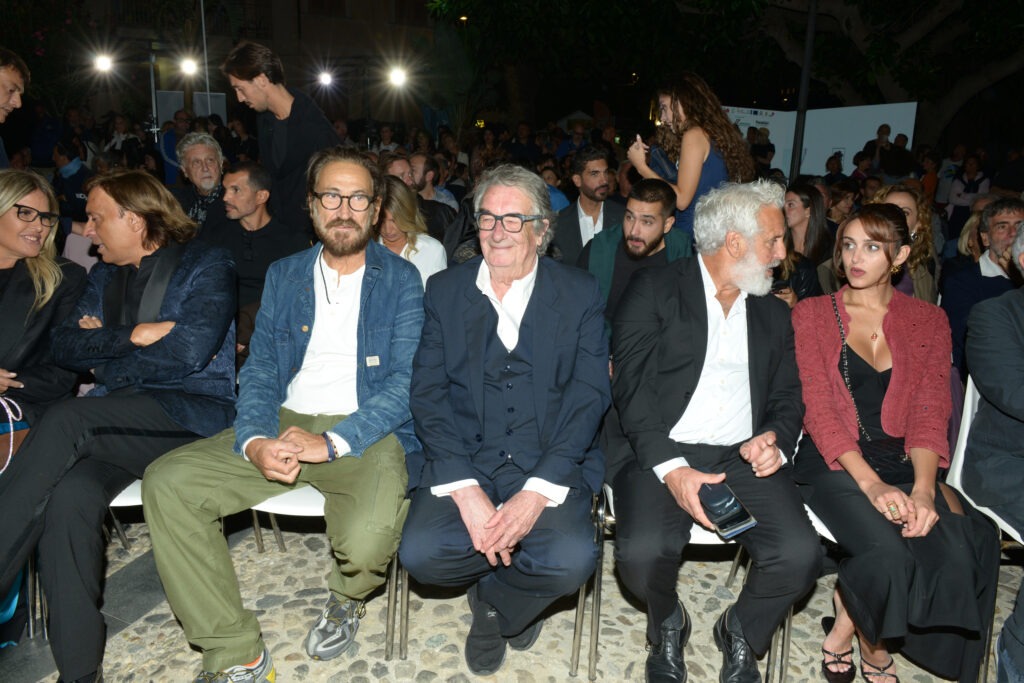


Tiziana Rocca headed the feature film jury, while Neri Parenti chaired the short film jury. The award for “Squali” recognizes a debut film that explores the transition to adulthood through ambitions, friendships, and difficult decisions. Loosely based on the novel “Gli squali” by Giacomo Mazzariol, the film stars Lorenzo Zurzolo and features a special appearance by James Franco. The cast also includes Francesco Centorame, Ginevra Francesconi, Greta Fernández, Federica Baù, Gabriele Rollo, and Francesco Gheghi.
At the heart of the story is Max, a 19-year-old from a small town in the Veneto region, ready to head to Spain with his friends after graduating from high school. An offer changes his plans: a startup entrepreneur wants to develop the app Max created to help his peers choose a college. Max heads to Rome and finds himself in a competitive environment, while his friends enjoy the summer they had imagined together. The story highlights a very real uncertainty: deciding one’s future when opportunities arise before one has figured out what one truly wants. The award for Andrea Belcastro’s “Il comico” rounds out the list of winners in the two competitive sections.
One of the festival’s highlights centered on Raf Vallone, born in Tropea in 1916 and honored on the 110th anniversary of his birth. The tribute brought renewed attention to a figure who made his mark in sports, journalism, civic activism, theater, and cinema. His connection to the city gave the tribute a personal significance, reinforced by the presence of his son, Saverio Vallone, and by the project “Combattente,” a documentary directed by Marco Spagnoli that was still in production during the event.




Raoul Bova plays Vallone; in Tropea, he received the award named after the actor and spoke about the process of immersing himself in his story. The event at Palazzo Santa Chiara, introduced by Marcello Fonte and Mimmo Calopresti, took the audience beyond the star’s filmography, through family memories and personal letters. Interviewed by Manlio Castagna, Bova explained that he found parallels with his own life journey. “He didn’t represent any particular faction; he was true to himself and his ideas,” he said of Vallone. Also in attendance at the event were director Spagnoli, producer Massimo Di Rocco, and the heads of the Calabria Film Commission, Anton Giulio Grande and Giampaolo Calabrese.
The festival also paid tribute to Marilyn Monroe on the centennial of her birth. Images, film clips, and a work by Mimmo Rotella came together to honor the actress, bringing cinema and the visual arts together. Two anniversaries, two different paths: Vallone brought the festival back to its Calabrian roots, while Marilyn highlighted the international dimension of film culture. Exhibitions and retrospectives enriched the screening experience, offering the public new ways to engage with the leading figures of the 20th century.
Among this week’s events, Lina Sastri presented “La casa di Ninetta,” her directorial debut. The program also featured Giorgio Marchesi and announced guests such as Yutaka Mizutani, a Japanese actor and director, and Mauro Fiore, the Oscar-winning cinematographer for “Avatar.” These names broadened the discussion to include international cinema and the various professions involved in filmmaking. The focus on the younger generation was also evident in the presence of Alexia Cozzi, who is part of the “Blue” project, in which she plays the daughter of the character portrayed by Rocco Siffredi.

Behind this diverse lineup of events lies the vision of Emanuele Bertucci, the festival’s founder and artistic director. When presenting this year’s edition at the Lido during the 83rd Venice Film Festival, he outlined a goal: “We want to create a festival that leaves a lasting impression even after the lights go out.” This intention centers on the relationship with the local community, the continuity of the project, and the involvement of Tropea’s residents.


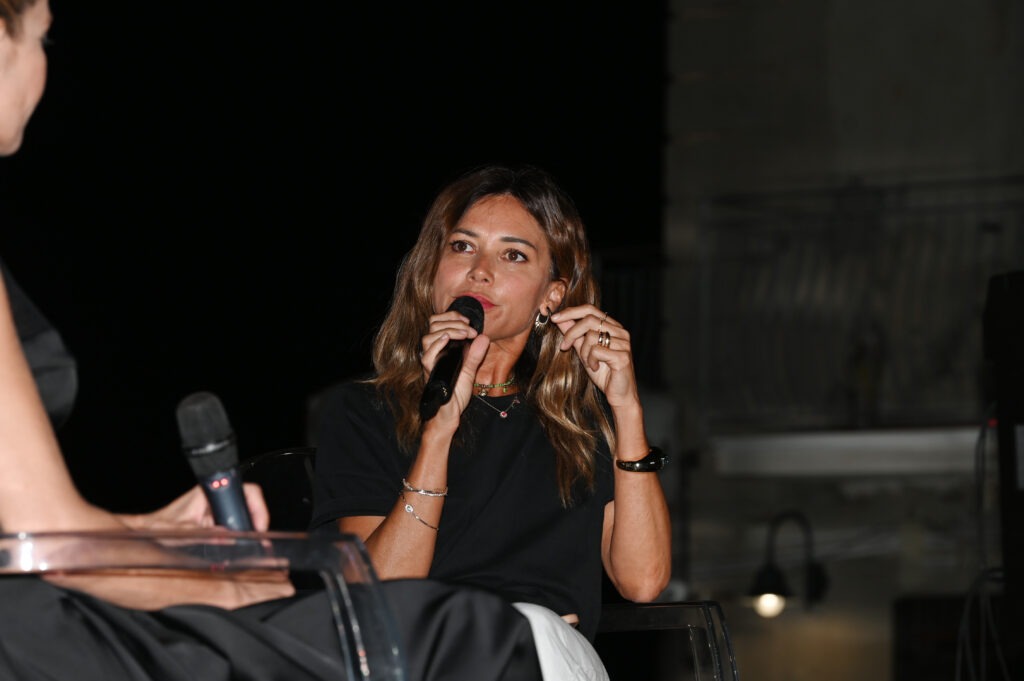
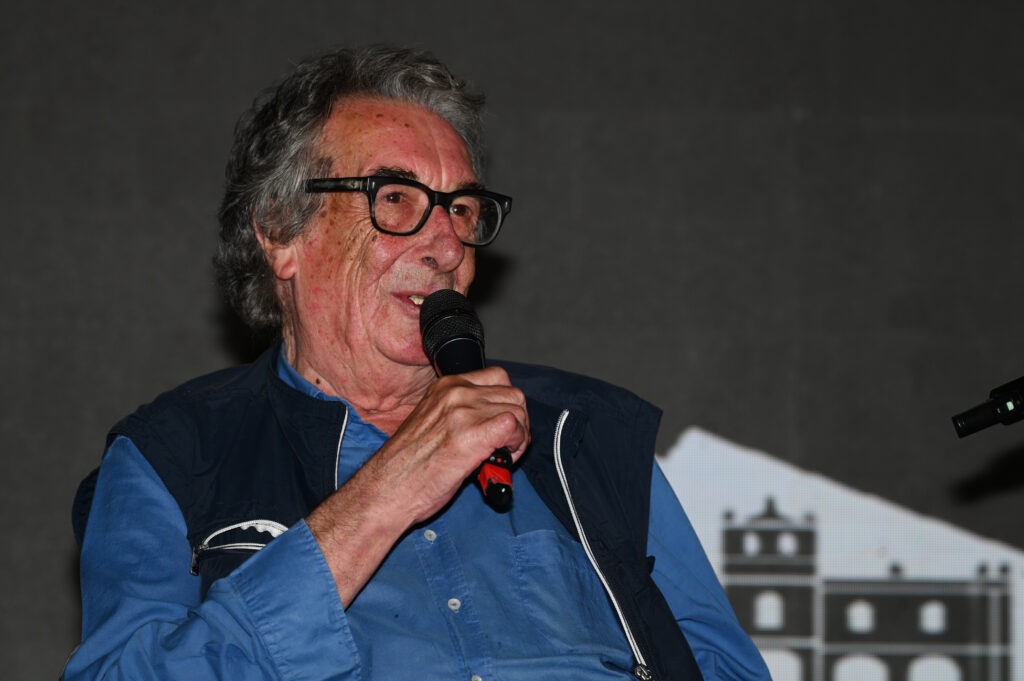
In an interview with The HotCorn, Bertucci explained that a festival’s value also stems from its ability to engage hotels, restaurants, merchants, associations, students, and businesses. The figures he cited refer to the previous edition: 37 participating lodging facilities, 590 overnight stays, and over 1,200 lunches and dinners for festival guests. These numbers highlight the organizational effort and the positive impact on the hospitality sector. In the same interview, he addressed the relationship between memory and innovation—including new audiovisual technologies—while keeping people and stories at the center. He reminded young filmmakers of the value of experience, discipline, and the short film as a learning opportunity.
Mayor Giovanni Macrì chose an everyday image to describe the outcome of the fourth edition: “The real success was seeing the participants experience the city as their home.” In his assessment, the guests’ relationship with Tropea matters just as much as the quality of their visits. The city welcomed the artists and drew them into its daily life, leaving them—according to the mayor—with a sense of nostalgia upon their departure.
Organized by the Associazione Culturale Visionaria APS, the Tropea Film Festival received support from the Calabria Film Commission, the City of Tropea, and GAL Terre Vibonesi, with Trenitalia (Official Green Carrier), RAI, and Haier Europe among its partners. The tagline “Cinema by the Sea” is thus reflected in the program: various locations throughout the city host screenings and discussions, the story of one of its protagonists returns to the spotlight, and emerging filmmakers are given a platform and recognition. Following the awards ceremony for “Squali” and “Il comico,” the work continues to ensure the ongoing relationship between cinema, the public, and Tropea.